SmartTechKids
Building Confident Digital Citizens
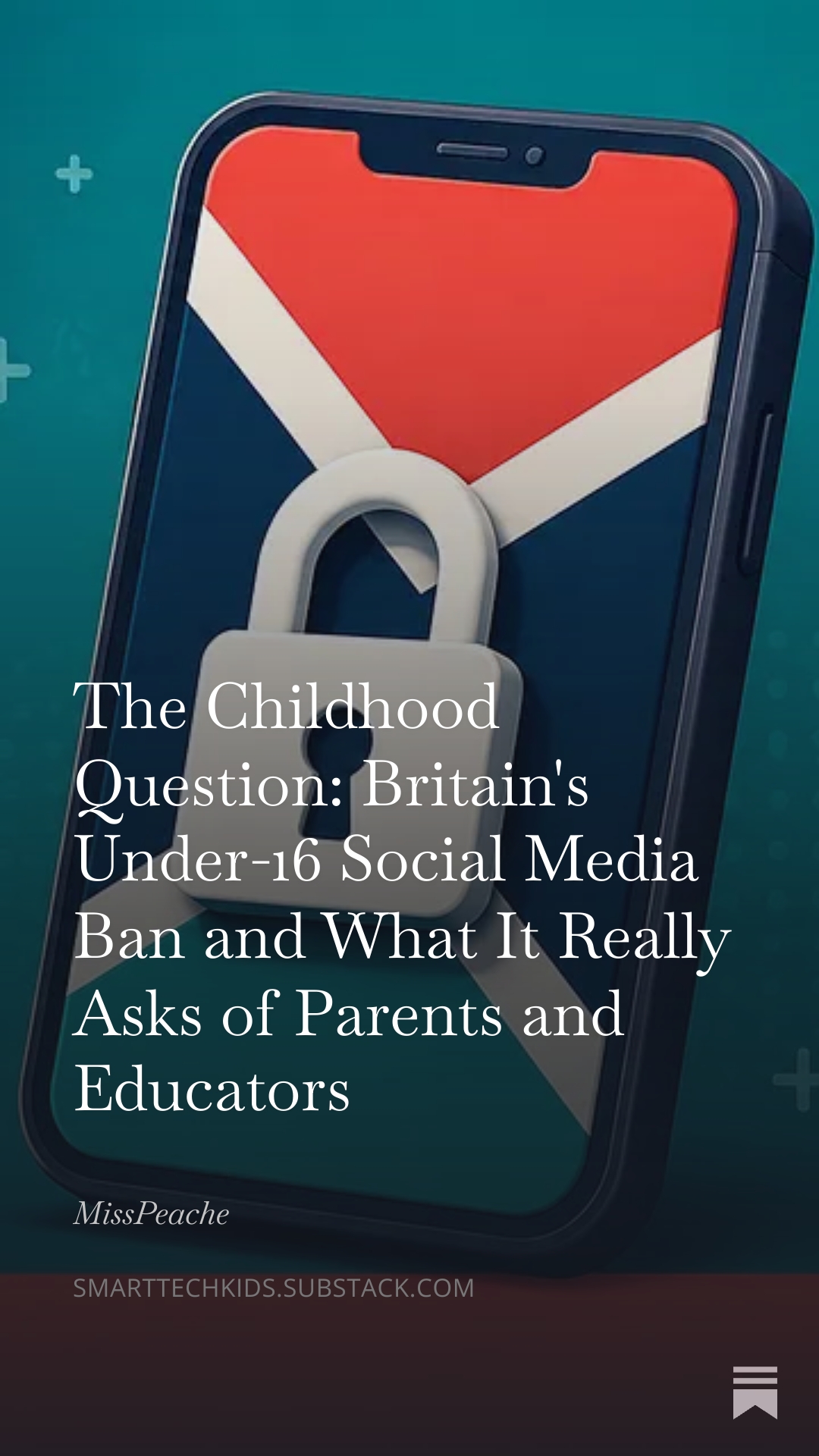
The UK’s Under-16 Social Media Ban: What It Really Asks of Parents
By Spring 2027, under-16s will be blocked from 6 major platforms—but 27% of Australian parents already report kids migrating to less-regulated apps.
- The ban is real and coming fast. Spring 2027 enforcement on Snapchat, TikTok, YouTube, Instagram, Facebook and X.
- It’s not a total internet ban. WhatsApp, Signal, and a narrow list of educational and e-commerce platforms remain available.
- Australia’s results are mixed. 61% of parents report positive behavioral changes—but 27% also report kids migrating to less-regulated apps.
- Age verification will affect adults too. Whatever Ofcom mandates may ask for your ID, your face scan, or your usage data.
- A ban can buy time. It cannot build judgment. The parenting and teaching work begins now—not in 2027.
What Britain Actually Decided
On 15 June 2026, Keir Starmer announced that Britain would follow Australia in barring children under 16 from social media. The framing was simple: children versus tech companies. The reality is more nuanced—and worth understanding before the headlines simplify it for you.
By Spring 2027, under-16s will be blocked from accounts on Snapchat, TikTok, YouTube, Instagram, Facebook, and X. The ban is structured as a platform obligation, not a household one. Companies that fail to take “reasonable steps” face significant penalties, broadly modelled on Australia’s framework.
Crucially, this isn’t a total internet ban. Messaging services like WhatsApp and Signal remain available—your child will still be able to stay in touch with known friends and family. A narrow list of exemptions covers educational services, e-commerce, and music streaming. For 16- and 17-year-olds, livestreaming and stranger communication will be switched off by default, including within gaming environments.
The Honest Case for Acting
It would be intellectually dishonest to discuss this policy without taking the harms seriously. Esther Ghey—whose 16-year-old daughter Brianna was murdered by two teenagers radicalized in part through online content—has said the ban could “potentially save so many children’s lives.” The Molly Rose Foundation, set up after 14-year-old Molly Russell’s death following exposure to self-harm content, exists because the algorithmic ecosystem failed catastrophically.
Early Australian YouGov data is genuinely encouraging: 61% of parents reported between two and four positive behavioral changes in their children—improved sleep, more in-person socializing, reduced anxiety. Fifty-nine percent of Australian adults believe the ban has been effective so far.
And the Honest Case for Doubt
The same research found that 27% of parents observed children migrating to less-regulated alternatives. Another 27% reported increased digital inequality—kids whose families could navigate workarounds (VPNs, older siblings’ accounts) kept access while less-resourced children were genuinely cut off.
Kate Edwards of the Molly Rose Foundation put it sharply: the ban “is far too easy to work around” and “does nothing to address the actual problem itself, the harmful algorithms, the harmful content that is existing on those platforms.” If the same algorithms are still optimizing for engagement when your child turns 16, has the policy solved the problem—or just delayed it?
What’s happening: Your child is in the pre-platform years. They likely don’t have social media accounts yet, but they’re absorbing your habits and learning what “online life” looks like by watching you.
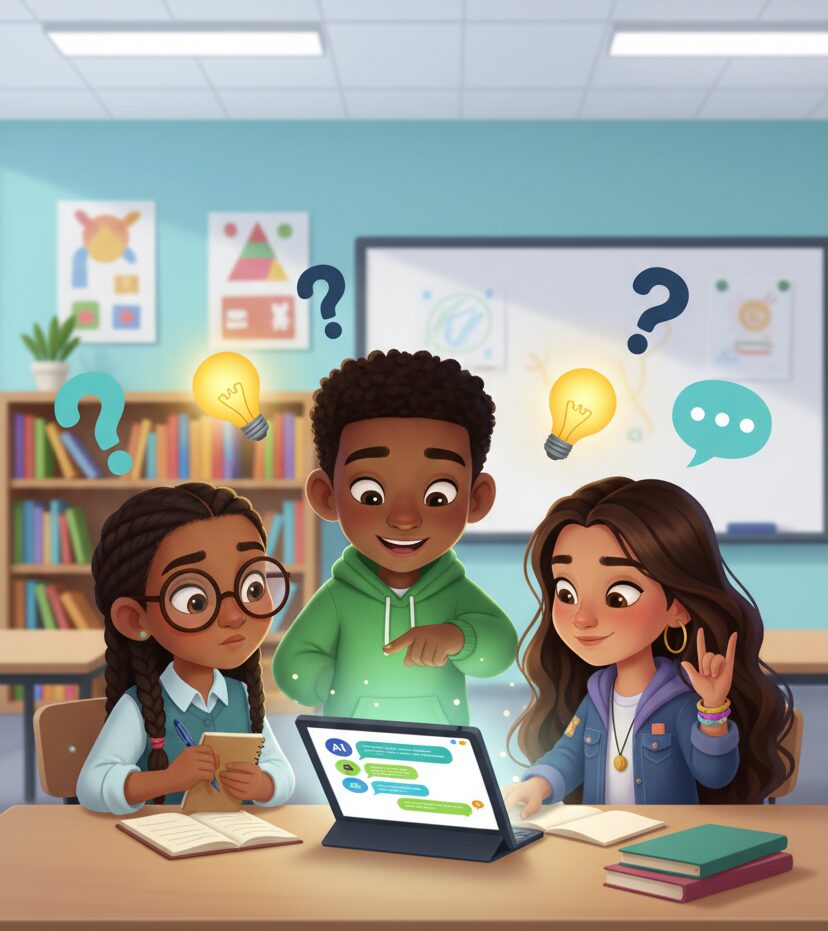
What you can do: Start the digital literacy conversation now. Watch a video together and ask, “Why do you think they made this? What do they want us to do next?” The judgment you build before they’re 11 is the judgment that will protect them at 14.
What’s happening: This is the group the ban affects most directly. By Spring 2027, your 12-, 13- and 14-year-old will be locked out of the platforms their friends are on—and may already be planning workarounds.
What you can do: Have the migration conversation. Ask your child where they think their friends will go when the platforms close. Listen first, lecture last. Then build a family plan together that focuses on judgment, not just access.
What’s happening: 16- and 17-year-olds will keep their accounts, but livestreaming and stranger communication will be switched off by default—including inside games. They’ve also lived through years of the platforms unregulated.
What you can do: Treat them as the digital experts of the household, because they are. Ask them to teach you how their feeds work, what their younger siblings will lose access to, and what they’d change about the policy. You’re raising a future digital citizen—start treating them like one.
The YouTube Paradox
Of all the platforms in the ban, YouTube is the most contested—and the most revealing. Anyone who’s watched a teenager teach themselves Python, audio engineering, or organic chemistry from a YouTube playlist knows the platform functions as one of the largest free educational libraries in human history.
The government’s response is that “dedicated educational platforms” like Khan Academy and BBC Bitesize will be exempted. The problem? Those platforms, however excellent, don’t contain the breadth of YouTube’s library. The exemptions list will be the most consequential and least scrutinized piece of this policy. Watch it closely.
The Underground Migration Problem
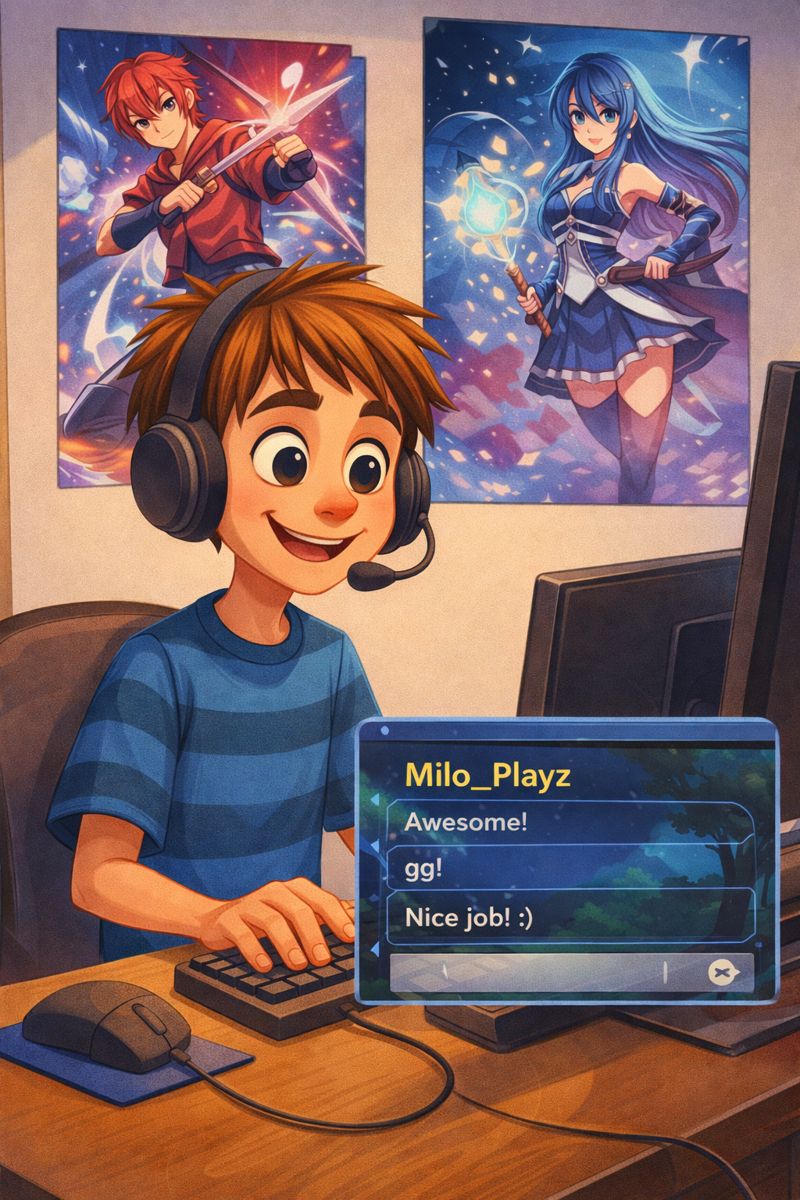
Here’s the uncomfortable truth: bans don’t delete teenage curiosity. They redirect it. The most likely outcome isn’t that under-16s spend less time online—it’s that they spend roughly the same amount of time online, in different places. Some of those places will be safer. Some will be Discord servers, VPN-cloaked accounts, and corners of the internet with no Trust and Safety team at all.
This doesn’t make the ban wrong. It does mean the ban cannot be the only intervention—and it puts even more weight on the adults in a child’s life to maintain genuine, open communication.
Have the migration conversation tonight. Ask the young people in your home: “When social media closes to under-16s, where do you think your generation will go?” Listen for 10 minutes before you respond. Their honest answer is your roadmap.
What This Really Asks of Us
If you take only one thing from this, take this: the policy debate is the easy part. The parenting and teaching work is what determines outcomes.
The children who thrive in 2030 won’t be the ones most successfully shielded from the internet. They’ll be the ones whose parents and teachers helped them build judgment—the slow, awkward, indispensable work of teaching a young person to think carefully about what they consume, what they share, and who they want to be online.
The policy will be debated in Parliament before Christmas. The parenting and teaching work begins on Monday morning.




0 comments
Leave a comment